|
1
|
|
|
2
|
|
|
3
|
|
|
4
|
|
|
5
|
|
|
6
|
|
|
7
|
|
|
8
|
|
|
9
|
|
|
10
|
|
|
11
|
- Collaborative, scholarly initiative of librarians across Cornell
- Provides well annotated, organized info on:
- bibliographic resources
- biology/bioinformatics databases
- Cornell life sciences: people, research, courses, services/facilities,
events/activities
- Encourages faculty/research staff collaboration across Cornell
|
|
12
|
|
|
13
|
|
|
14
|
- No fixed collection
- Does not mirror organizational structure
- Provides context for information
- Fluid:
- - will go in directions we cannot now anticipate
- - adapts to content domains beyond our control
|
|
15
|
- Simplicity – everything displays consistently
- Context – categorized browsing and searching
- Fluidity - users can roam, not just drill down
- Flexibility to grow and change in response to content and use
|
|
16
|
|
|
17
|
- Design Requirements
- Sustainability
- Ontology underpinnings
- Strategies for moving forward
- General applicability
|
|
18
|
- Lightweight
- Flexible
- Extensible
- Sustainable
- Compliant with standards
- Amenable to automation
|
|
19
|
- Accessibility – immediate curator feedback
- Granularity – not too detailed
- Quality – commitment to get it right
- Flexibility – ability to adapt
- Proactive alignment with emerging standards/registries/shared resources
in the library and life sciences communities
|
|
20
|
- Downloading recent publications
- Cultivating departmental contacts
- Emailing “review your entry” solicitations to individuals
- Dead link checking
|
|
21
|
|
|
22
|
|
|
23
|
|
|
24
|
|
|
25
|
- Database structure
- Context-specific editing
- Curator participation in content organization and presentation
- Support for migrating content
- Ability to incorporate controlled vocabularies and domain ontologies
|
|
26
|
|
|
27
|
|
|
28
|
|
|
29
|
|
|
30
|
|
|
31
|
|
|
32
|
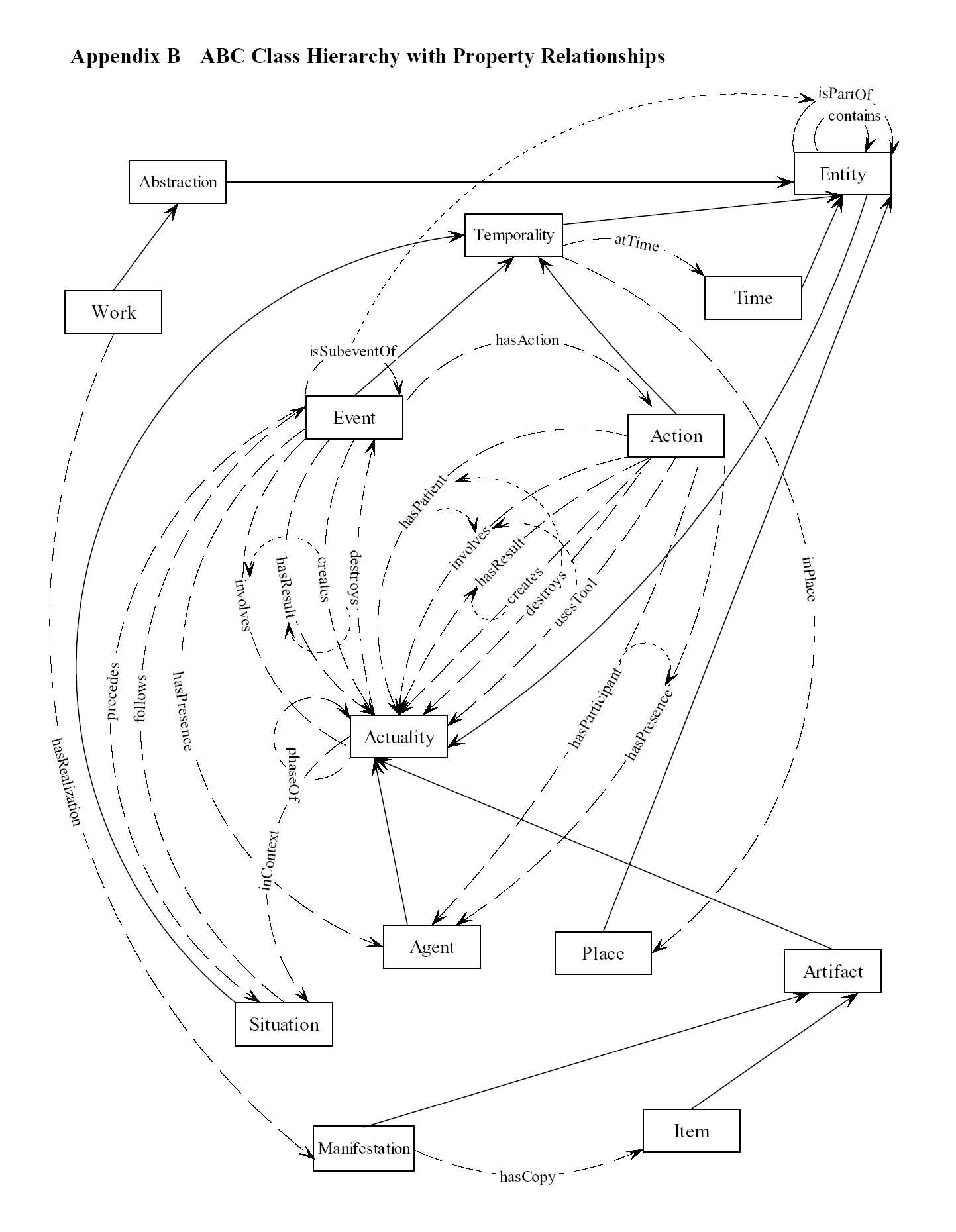
- How do you avoid an unmanageable tangle of property relationships among
so many classes?
|
|
33
|
- Following the W3C OWL model:
- Properties are defined between specific classes
- Properties are inherited by subclasses but not necessarily switched on
|
|
34
|
- Data are added to the site in response to interest and leads
- Curators add more types and relationships to support differentiation
where entries accumulate
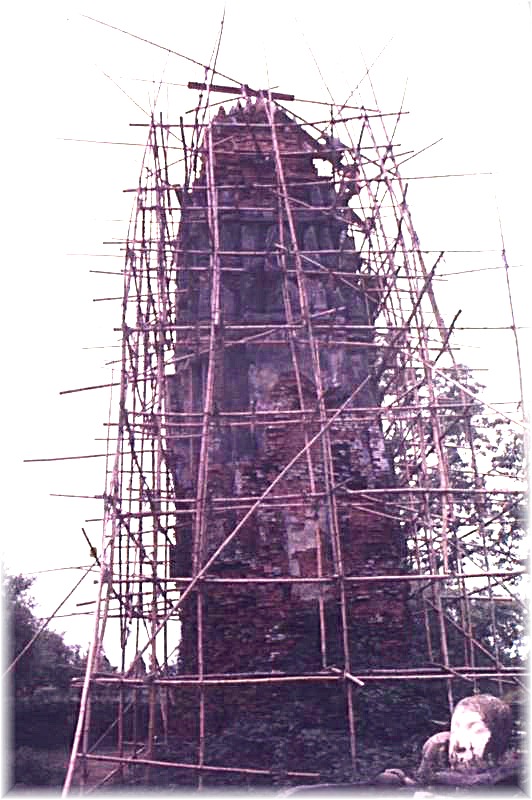
- The scaffolding adapts to areas of greater structural load
|
|
35
|
- Becoming an OAI-PMH service provider
- Selection by type of entity
- Selection by property/relationship based on DC, MODS, or any preferred
standard
- VIVO web services
- Search response with name, type, and URL
- Further options
- Additional context
- Inferencing results
- Provenance or annotations
|
|
36
|
- Filtering
- By major subject area, college, campus
- Improved searching
- Augmenting terms via a choice of external thesauri
- Distributed editing
- Departmental liaisons
- Templates to populate relationships
- Export
- RDF, METS
- Preservation, pruning, and migration
- Visualization
|
|
37
|
- Modular design
- Clone with or without ontology
- Harvester and harvested
- Expose metadata from multiple digital library collections in a
coherent, accessible framework
- Collaborations
- With other aggregations of metadata
- With domain-specific resources
|
|
38
|
|

 Notes
Notes