|
1
|
- Long Server: A Collaborative Web Site towards Universal File Format
Conversion
- Kurt Bollacker
- The Long Now Foundation
- DLF Fall Forum
- 27 October 02004
|
|
2
|
|
|
3
|
|
|
4
|
- Intro to the Long Now Foundation
- The problem of digital data preservaion
- Data mobility as a solution
- Intro to the Long Server Project
- The project plan
|
|
5
|
- Our goal is to foster long term thinking and responsibility. Our
existing projects include:
- The 10,000 year clock
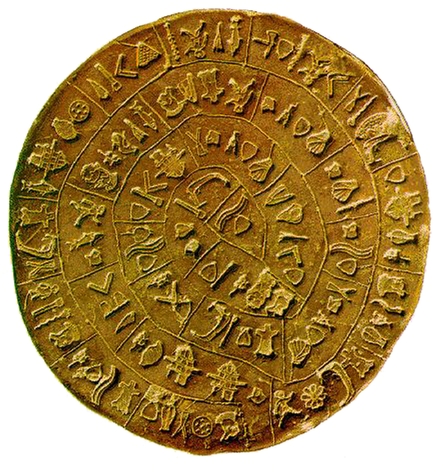
- The Rosetta Project
- Long Bets
- Seminars About Long Term Thinking
|
|
6
|
|
|
7
|
|
|
8
|
- Data is being lost – is the problem short term thinking?
- How do we foster long term thinking when:
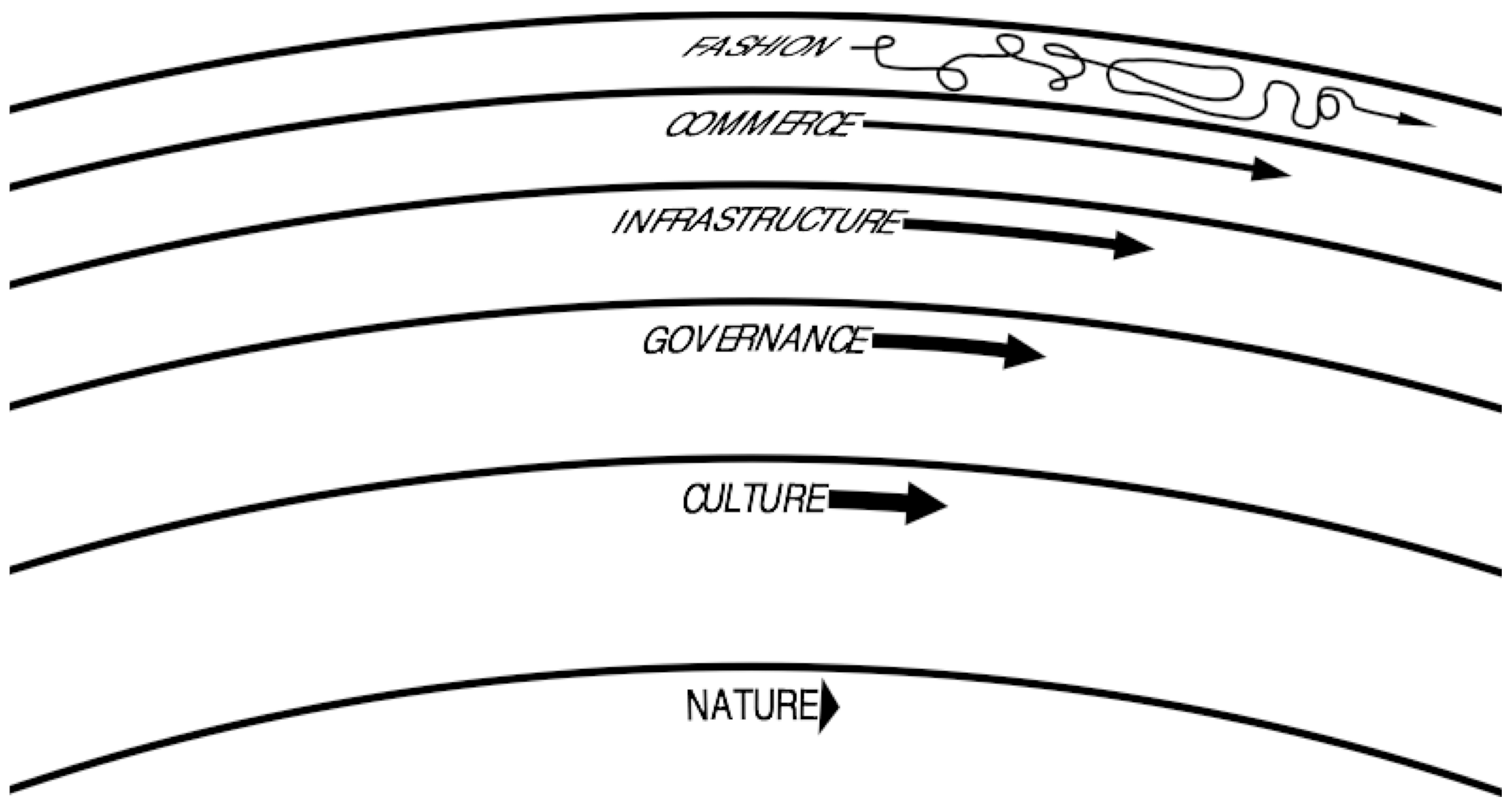
- Digital media and technology works at the fast layers.
- Digital preservation operates at the slow layers.
- Solution: Learn and promote patterns for building fast moving archiving
systems/tools to thrive in the slow layers.
- The goal of the Long Server Project is to manifest this solution in the
world of digital data preservation.
|
|
9
|
- Engage users by starting simple and emphasizing accessibility and ease
of use.
- Allow messy user practices and encourage (but not enforce) proper ones.
- While working towards the ideal solution, adapt to changes in the world.
- Count on always having insufficient knowledge about the future.
|
|
10
|
- Since digital media are short-lived, data must be able to move around in
order to survive.
- Mobility is more important than reliability or expected stability.
- The concept of mobility include diversity of redundancy.
- Dimensions of diversity include:
- Media/Technology
- Location
- Preservation Practices
- Format/Encoding
|
|
11
|
- They allow mobility from old, obsolete formats to more accessible ones
and ones more likely to survive.
- They increase the diversity of representation.
- They make data more valuable to users.
|
|
12
|
- Converters change the data representation at one or more of the
following format layers:
- Physical: magnetic domains/pits/punched holes
- Token Encoding: ASCII/EBCDIC/Unicode/BCD
- Data Structure and Organization: JPG/mp3/XML/rtf
- Semantics: Perl source code/music/photo/French prose
|
|
13
|
- Converters may run only on obsolete platforms.
- Converters are no longer available.
- Converters are difficult to use.
- Converters tend to corrupt information.
- The are too many converters to choose from.
- The best target format is hard to choose.
- Emulators and converters are two sides of the same coin, but require
different understanding to use.
|
|
14
|
- Will be a set of software tools that promote digital data preservation.
- Development Foci:
- Address real-world needs.
- Build practical rather than demo applications.
- Adhere to high standards of usability and visual design.
- Leverage existing work (do not re-invent wheels).
- Deliver functionality early and often. Add new functionality
frequently.
- Give away ownership to as many who want it.
|
|
15
|
- The ideal solution to the world's format conversion needs is a
universal, perfect, automatic file format converter.
- This is unlikely in the short term.
- Instead: Collect and organize the knowledge of converters/emulators
toward the creation of a
universal converter by providing a collaborative, Web-based, application
to focus the efforts of many individuals.
|
|
16
|
- For users of converters:
- A place to find needed converters
- File format identification tool
- A place to share knowledge
- Converter documentation (e.g. HOWTOs)
- Discussion forums
- Advice on a target format to use
- For archival purposes
- For reduced data corruption
|
|
17
|
- For developers and other contributors:
- A place to discover needs
- A development archive for abandoned software
- Wiki/Discussion tools for project collaboration and documentation
creation
- A library of references/links to related work
|
|
18
|
- This project will be divided into four phases of development:
- Phase 1: Initial research and database seeding
- Phase 2: Basic public services and collaboration tools
- Phase 3: Advanced public services and tools
- Phase 4: Directed by outside input towards the future of the ideal conversion tool.
|
|
19
|
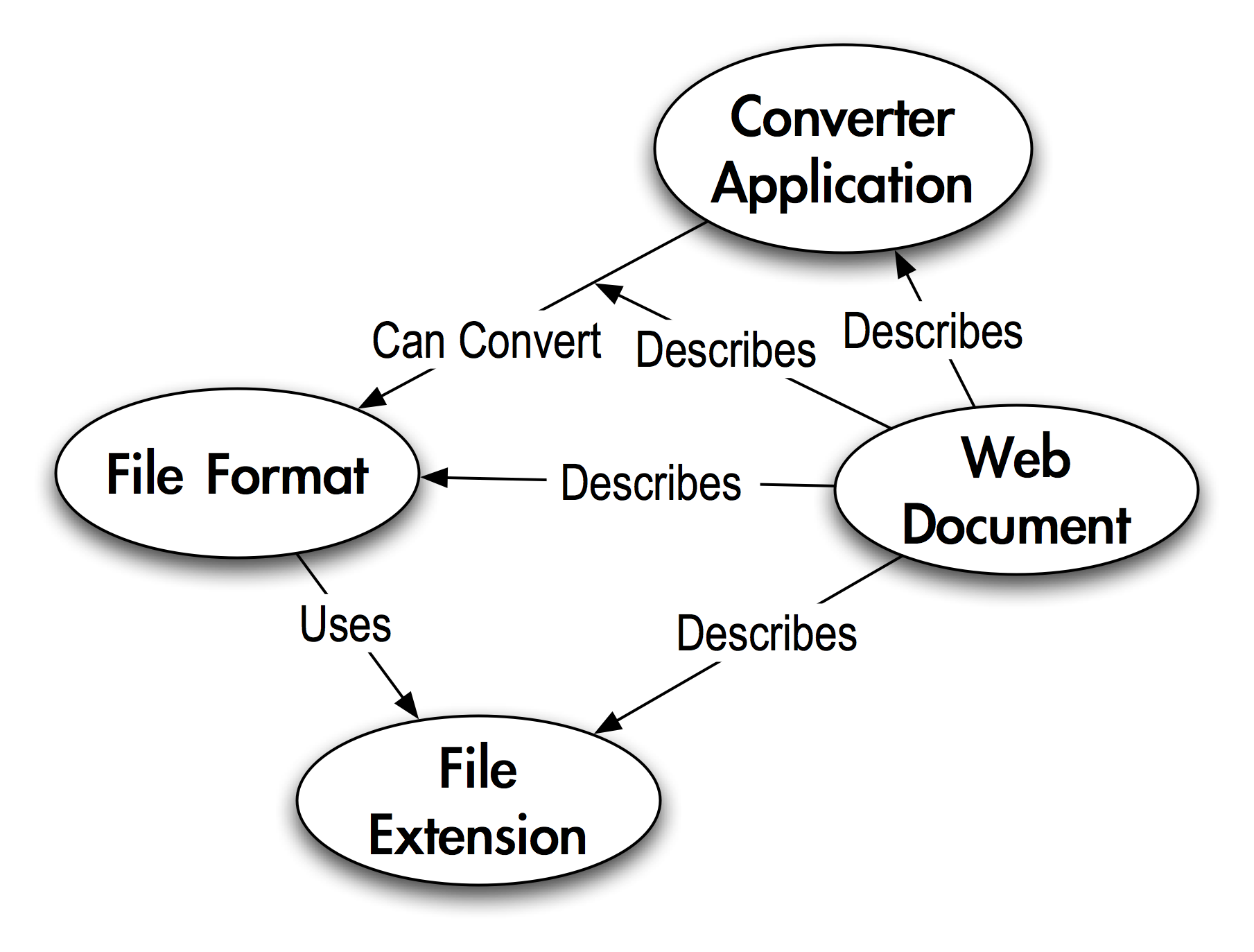
- Design a data model for objects in the Web site.
- Define metadata schemas for converters and formats. starting from the
Global Digital Format Registry (GDFR) efforts.
- Find and describe 300 converters and associated formats.
- Survey existing format/converter database and aggregation efforts.
- Build initial data entry tools.
|
|
20
|
|
|
21
|
- Public Services
- Browse/Search by format/converter/file extension
- Initial file format identification tool
- Repository service for abandonware
- Collaboration Tools
- Wiki and discussion annotation about any format, converter, conversion,
URL. This includes documentation
creation and editing.
|
|
22
|
- Public Services
- Search engine that indexes by format/converter for multi-step
conversion paths.
- Text indexing of annotations/documentation and linked external Web pages.
- Collaboration Tools
- New converter/format records may be added by users.
- Rating/vetting system for site content
|
|
23
|
- Public Services
- A converter usage “wizard”
- Automatic converter location/install/execution
- Collaboration
- Ownership of site management is
distributed to volunteer curators.
|
|
24
|
- Contact me at:
- Find out about The Long Now Foundation at:
|

 Notes
Notes